
coated float glass
Měření průměru Bore Measuring Gauge Měření průměru otvorů a dutin je klíčovou součástí mnoha průmyslových odvětví, včetně strojírenství, automobilového průmyslu a výroby. Mezi nejdůležitější nástroje pro tuto činnost patří měřidla průměru, známá také jako bore measuring gauges . Tyto nástroje umožňují přesné měření průměrů otvorů, ať už jsou malé, velké nebo i těžko přístupné. V tomto článku se podíváme na různé typy těchto měřidel, jejich použití a důležitost v moderní výrobě. Typy měřidel průměru Existuje několik typů měřidel průměru, které se používají pro různé aplikace. Zde jsou některé z nejběžnějších 1. Kalibrované měrky Tyto měřidla se používají pro rychlé a přesné měření průměrů otvorů. Obvykle obsahují několik různých velikostí, které umožňují uživatelům zkontrolovat různé průměry bez potřeby složitého nastavování. 2. Hlava s čidlem Tento typ měřidla je navržen tak, aby se vešel do otvoru a pomocí čidla měřil průměr. Je velmi užitečný pro měření hlubokých nebo jinak obtížně dostupných otvorů. 3. Digitální měřidla S rozvojem technologií se objevila digitální měřidla, která poskytují rychlé a přesné hodnoty, které jsou snadno čitelné. Tato měřidla mohou mít funkce jako automatické ukládání údajů nebo možnost propojení s počítačem pro analýzu dat. 4. Měřící válce Tyto jednoduché nástroje slouží k měření průměru pomocí principu objemu. Jsou snadno použitelné a ideální pro základní aplikace. bore measuring gauge Použití a důležitost Měření otvorů je zásadní pro zajištění kvality a funkčnosti výrobků. Například v automobilovém průmyslu, kde jsou tolerances vysoce citlivé, je nutné mít přesné měření průměrů pro komponenty jako jsou válce, ložiska a další součásti. Zde hraje měřidlo průměru klíčovou roli při dodržování specifikací a zajištění, že výrobky budou fungovat správně. Kromě toho se měřidla průměru používají také při prototypování nových produktů, kde je důležité ověřit správnost rozměrů a funkčnost konstrukce. S použitím těchto měřidel mohou inženýři a designéři zajistit, že jejich výrobky splňují požadavky jak z hlediska designu, tak funkce. Jak správně používat měřidlo průměru Při používání měřidel průměru je důležité dodržovat několik zásad, aby se zajistila přesnost měření. Zaprvé, před měřením je dobré čisté měřidlo a otvor, aby se odstranily jakékoli nečistoty, které by mohly ovlivnit výsledky. Dále by mělo být měřidlo umístěno do otvoru správně, abyste získali co nejpřesnější hodnoty. Při provádění měření je také důležité věnovat pozornost teplotě, protože změny v teplotě mohou ovlivnit rozměry materiálů. Závěr Měřidla průměru jsou nezbytným nástrojem při zajišťování kvality v různých průmyslových odvětvích. Jejich přesnost a variabilita použití umožňují snadné a efektivní měření průměrů otvorů a dutin. S rozvojem digitálních technologií se stává měření průměru ještě jednodušší a efektivnější, což přispívá k dosažení vyšší kvality výrobků a optimalizaci výrobních procesů. Když se používají správně, měřidla průměru mohou výrazně zlepšit výrobní standardy a spokojenost zákazníků.
about
coated float glass
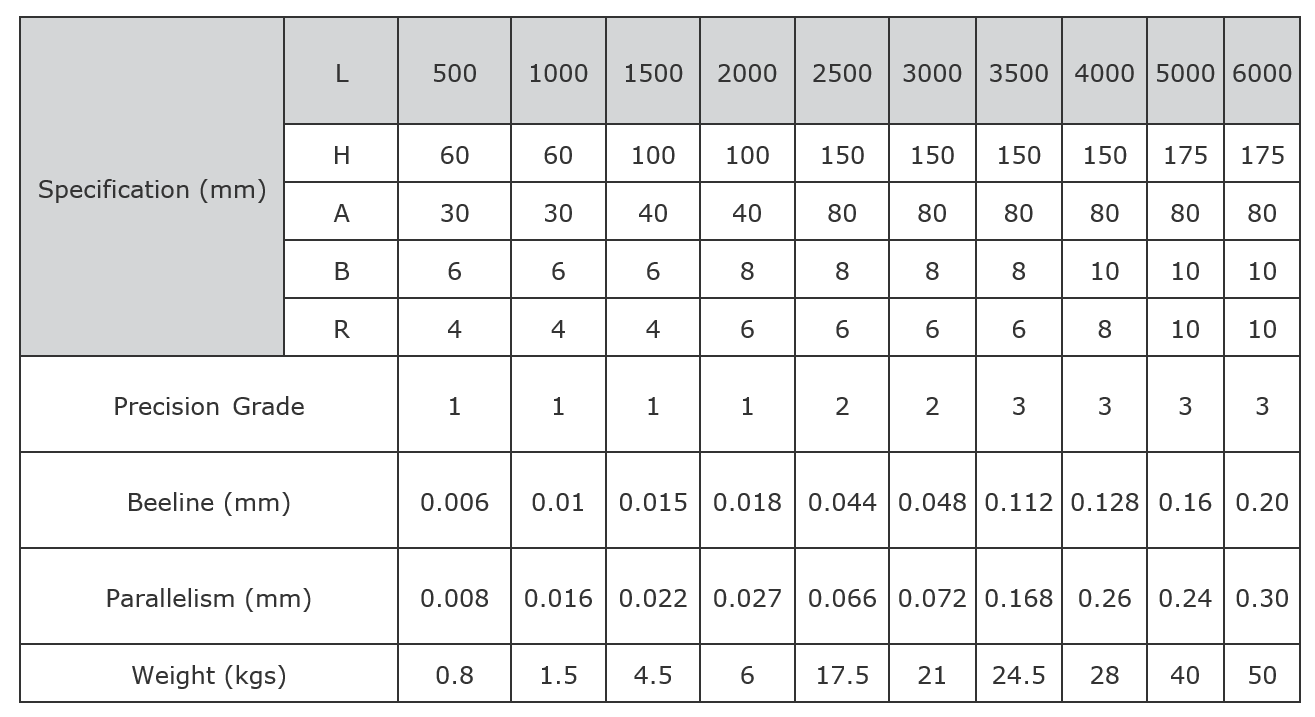
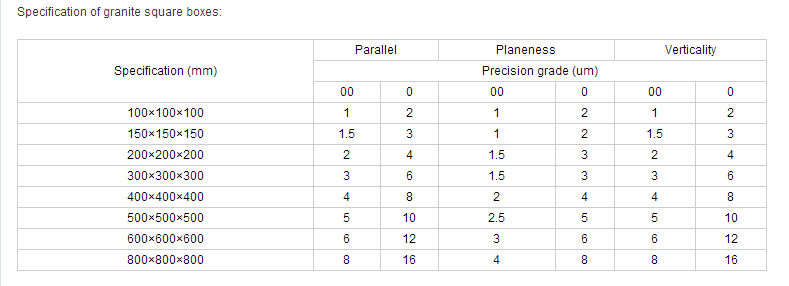
Understanding Precision Granite Plates The Ultimate Tool for Metrology and Manufacturing Precision granite plates have become integral components in the field of metrology and manufacturing. Renowned for their exceptional stability, durability, and flatness, these granite surfaces serve as the foundation for accurate measurements, ensuring high-quality production standards across various industries. What are Precision Granite Plates? Precision granite plates are large, flat surfaces made from natural granite, which possesses unique properties that make it an ideal material for precision measurement. Granites are igneous rocks composed mainly of quartz and feldspar, providing a strong, stable, and inert base. These plates are meticulously engineered to achieve an exceptional level of precision, typically measured in micrometers. This extreme flatness is crucial for applications in quality control and various engineering processes. Key Features of Precision Granite Plates 1. Stability Granite plates are highly stable due to the properties of granite itself. They are resistant to temperature fluctuations, meaning that the risk of expansion or contraction affecting measurements is significantly reduced. This makes them suitable for use in a variety of environments, from manufacturing floors to precision laboratories. 2. Flatness The inherent flatness of precision granite plates allows for highly accurate measurements. Standard specifications for such plates can reach tolerances as tight as 0.001 inches per foot. This level of flatness is essential for applications like coordinate measuring machines (CMM) and inspection equipment. 3. Durability Granite is one of the hardest natural stones, which means that precision granite plates can endure heavy loads without deforming . They are also resistant to scratches, dents, and chemical corrosion, extending their lifespan significantly compared to other materials. precision granite plate 4. Non-reactivity Unlike other materials which may react chemically with certain substances, granite does not interact adversely under normal working conditions. This non-reactivity ensures that the integrity of measurements is maintained, making granite plates suitable for a wide array of applications. Applications of Precision Granite Plates Precision granite plates find broad applications across various industries. In manufacturing, they are used for setup and calibration of machines and equipment, ensuring that products are manufactured within specified tolerances. In quality control, they provide a stable surface for inspecting parts and assemblies, contributing to maintaining product standards. In the realm of research and development, precision granite plates are utilized for experiments requiring highly accurate measurements. They serve as platforms for optical devices, supporting sensitive instruments that measure forces, distances, and angles with utmost accuracy. Maintenance of Precision Granite Plates To ensure the longevity and continued precision of granite plates, proper maintenance is crucial. Regular cleaning with non-abrasive materials is recommended to prevent debris accumulation. Additionally, periodic calibration checks will verify that the plates maintain their flatness and that any potential wear or damage is addressed promptly. Conclusion In conclusion, precision granite plates are essential tools for accurate measurement and quality assurance in manufacturing and metrology. Their unique properties, such as exceptional stability, flatness, durability, and non-reactivity, set them apart from other materials. As industries continue to demand higher precision and reliability, the role of precision granite plates will only enhance, solidifying their position as a cornerstone in the landscape of modern manufacturing and engineering. With proper care and respect for their capabilities, these plates will serve as reliable companions in the relentless pursuit of quality and accuracy.
-

High quality industrial productsagement

High quality industrial products
View Details -

Meet the diverse needs of customers

Meet the diverse needs of customers
View Details -

Strict quality control

Strict quality control
View Details -

Top raw materials

Top raw materials
View Details -

Trusted supplier

Trusted supplier
View Details
Our application
news and information
Versatile Granite Angle Plate for Precision Machining and Workholding Solutions
Understanding Granite Angle Plates A Key Tool for Precision Measurement In the realm of manufacturin
Valvola a sfera da 36 pollici per applicazioni industriali e acquedotti
La valvola a ghigliottina da 36 pollici è un componente fondamentale in molti sistemi industriali e
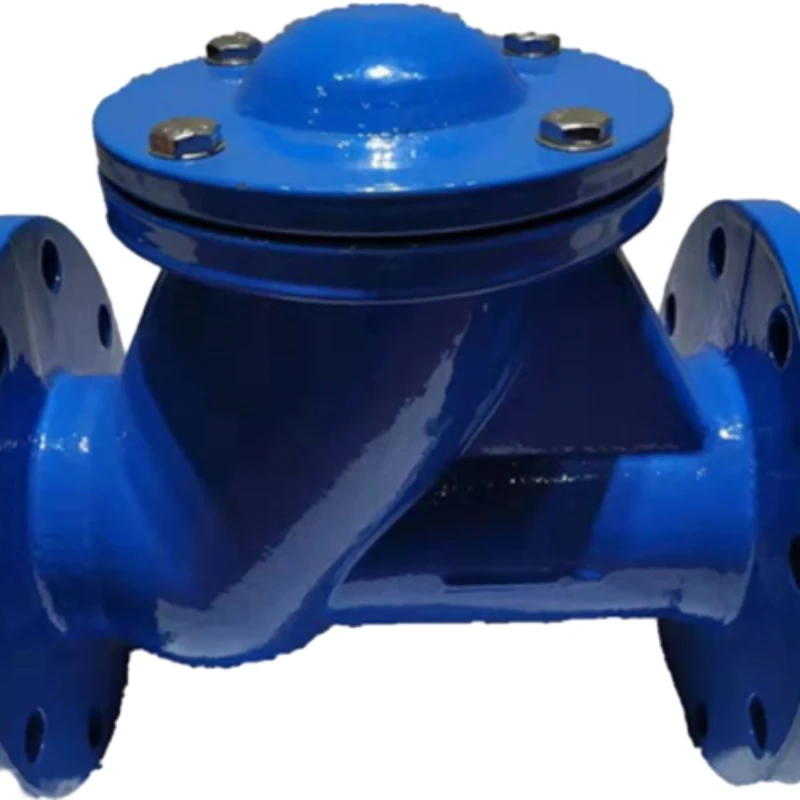
Varieties of Flow Control Valves and Their Applications in Fluid Management
Different Types of Flow Control Valves Flow control valves are essential components in various fluid
 English